Compare Local Contractors for Landscaping Soil Delivery Services
Compare local contractors for landscaping soil delivery to clarify scope, verify experience, and set clear expectations for a successful project.
Landscaping soil delivery services typically involve transporting and distributing soil to enhance the health and appearance of outdoor spaces. This work can include bringing in topsoil, compost, or other soil amendments, as well as spreading and grading the material to prepare lawns, gardens, or planting beds. Contractors may also handle related tasks such as removing old soil, leveling uneven areas, or creating specific landscape features that require soil modification. Understanding the scope of these services helps property owners ensure the work aligns with their landscaping plans and that all necessary tasks are covered.
Clearly defining the scope of a soil delivery project is essential for setting realistic expectations and avoiding misunderstandings. Property owners should specify the type and amount of soil needed, the delivery process, and any additional work such as site preparation or grading. Documenting these details in writing can help ensure that contractors understand the project requirements and that the work performed meets the desired outcomes. Having a detailed scope also makes it easier to compare different service providers based on their experience and the services they offer.
When evaluating local contractors for soil delivery, property owners should consider their experience with similar projects and their familiarity with local soil types and terrain. It’s beneficial to review the scope of work each contractor proposes and verify that it includes all necessary services. Comparing how contractors plan to handle logistics, such as delivery methods and site access, can also provide insight into their professionalism and reliability. By gathering information on their past work, asking clarifying questions, and requesting written agreements, property owners can make informed decisions and select service providers best suited to their landscaping needs.
Compare local contractors by outlining your project priorities, verifying experience, and clarifying expectations in writing.
- Compare Contractor Experience - Review the backgrounds and project history of local service providers to ensure they have relevant experience.
- Define Project Scope Clearly - Outline specific requirements and expectations to communicate effectively with potential contractors.
- Verify Service Provider Credentials - Confirm qualifications and references to assess the reliability of local contractors.
- Document Agreements in Writing - Establish clear, written agreements detailing the scope of work and responsibilities before starting.
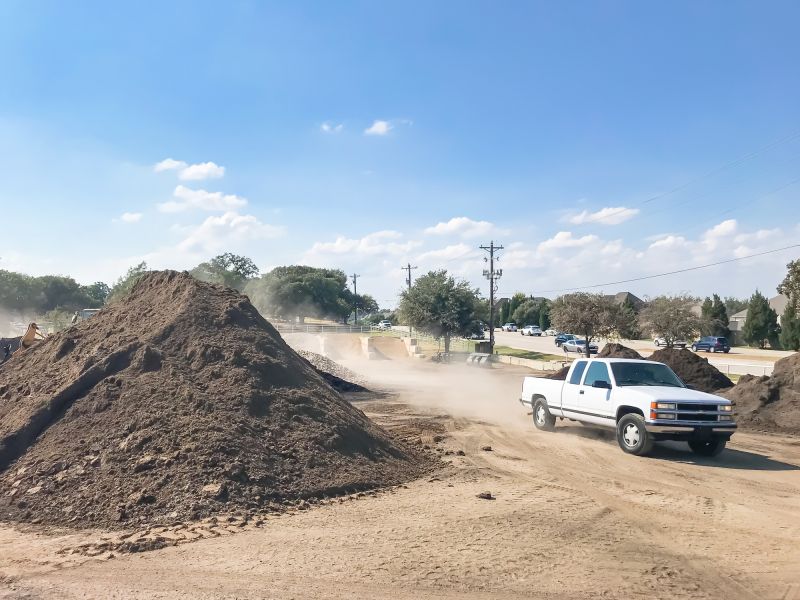
Clearly describe your landscaping soil delivery project to help local contractors understand your needs and compare their services effectively.
- Verify the experience and reputation of local contractors specializing in soil delivery for landscaping projects.
- Ensure scope of work, including soil type and delivery method, is clearly defined and documented in writing.
- Compare multiple service providers to assess their expertise and the quality of their materials.
- Check that contractors provide detailed descriptions of the soil quality and any additives included.
- Confirm that expectations regarding delivery procedures, placement, and access are explicitly outlined.
- Review references or past project examples to evaluate the reliability and professionalism of local contractors.
Compare local contractors’ experience and clarify project scope to ensure successful soil delivery.

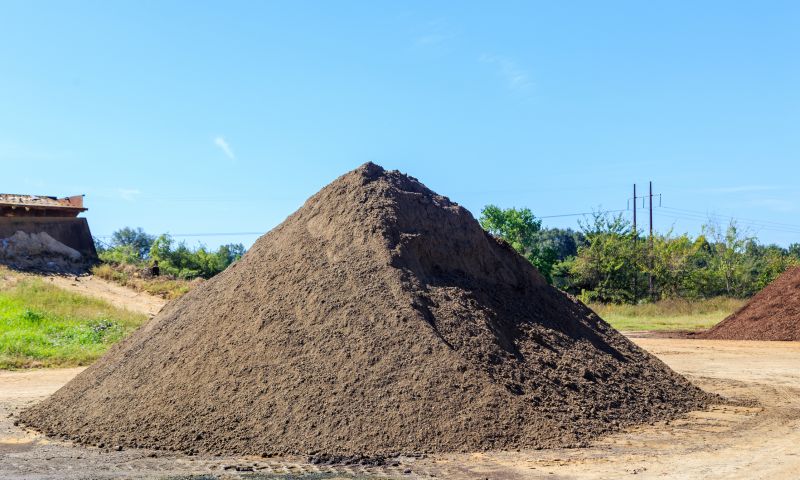
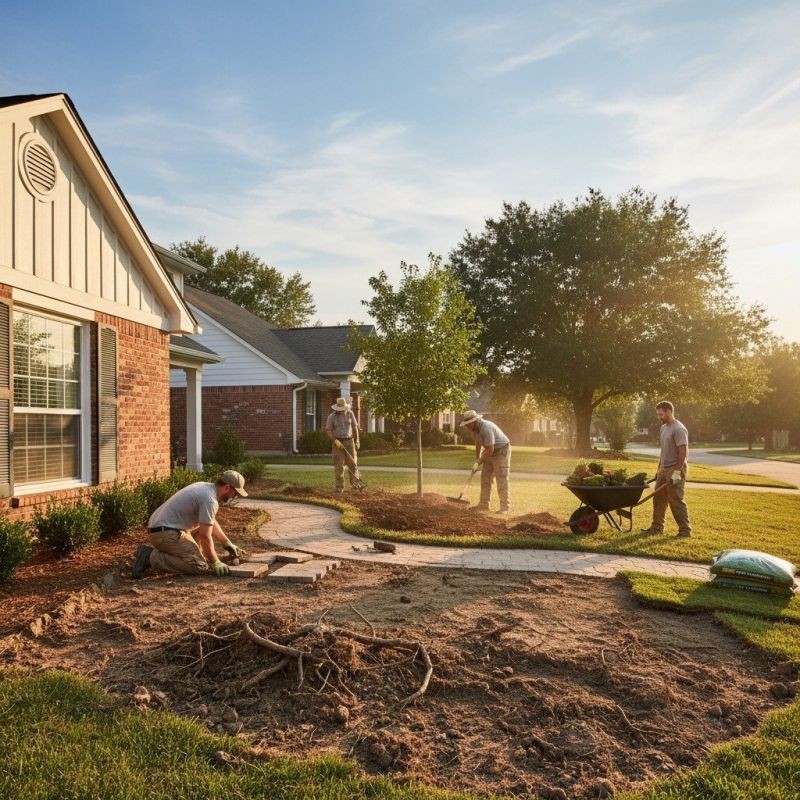
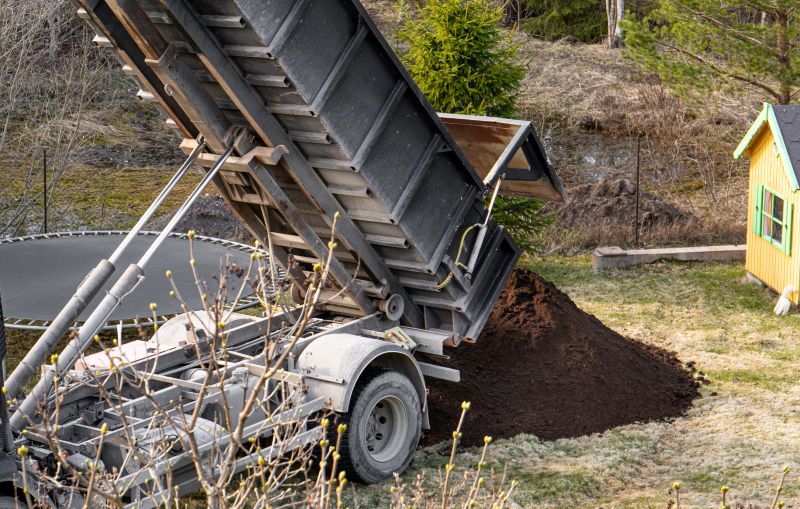
Learn how to compare landscaping soil delivery contractors, define scope clearly, verify experience, and set expectations in writing for consistent results.
- Scope Definition - Clearly outline the specific types and quantities of soil required for the landscaping project.
- Material Specifications - Specify the soil quality, composition, and any additives or treatments needed to meet project goals.
- Delivery Requirements - Identify preferred delivery methods, timing expectations, and access considerations for the delivery site.
- Experience and Capabilities - Verify that local contractors have experience with soil delivery projects similar in scope and complexity.
- Written Agreement - Ensure all scope details, responsibilities, and expectations are documented in a formal agreement before work begins.
When comparing contractors for landscaping soil delivery, it is important to assess their experience with similar projects. Homeowners should inquire about the types of soil delivery jobs the service providers have completed, paying attention to the scope and scale of those projects. Contractors with a history of working on comparable landscaping projects are more likely to understand the specific requirements and challenges involved, ensuring a smoother process. Gathering details about their past work can help determine if their experience aligns with the needs of the current project.
Having a clear, written scope of work is essential when evaluating landscaping soil delivery services. A detailed description of the services provided-including the type and quantity of soil, delivery methods, and any additional site preparation-helps set expectations and reduces misunderstandings. Homeowners should seek service providers willing to document the scope in writing, which can serve as a reference throughout the project. This clarity ensures everyone is on the same page and provides a foundation for addressing any issues that might arise later.
Verification basics involve confirming that the service providers have the necessary background to handle the specific soil delivery job. This includes checking references or reviews from previous clients, understanding the types of projects they have successfully completed, and confirming their familiarity with local site conditions. Homeowners can also verify the provider’s knowledge of soil types and delivery logistics to ensure they are well-equipped to meet project requirements. Proper verification helps identify contractors with a proven track record of reliable and quality service.
Evaluating options without focusing on prices involves considering the quality of service, experience, and the clarity of communication. Homeowners should compare how well each contractor understands the scope of work, their ability to provide detailed written plans, and their history of successful project completion. Asking questions about their process and requesting references can provide insight into their professionalism and reliability. This approach helps identify service providers who are capable of delivering the desired results and fostering a smooth working relationship, based on expertise and clear communication.
Request written scope details to ensure clear expectations and consistent understanding among service providers.
- **Experience and Specialization** - What types of landscaping soil delivery services have local contractors provided in the past?
- **Scope of Work** - How do contractors define the specific scope and volume of soil delivery included in their services?
- **Service Offerings** - What additional landscaping or soil-related services do local contractors include as part of their delivery packages?
- **Project Management** - How do contractors handle project coordination and ensure the soil delivery aligns with overall landscaping plans?
- **Written Agreements** - What details are included in the written scope of work to clearly specify the soil delivery process?
How can I compare different contractors for soil delivery services? To compare local contractors, review their experience, scope of services, and reputation through customer reviews or references, and ensure they provide clear written estimates and scope descriptions.
What should be included in a scope of work for soil delivery? A comprehensive scope should specify the type and amount of soil, delivery locations, access considerations, and any additional services or requirements to set clear expectations.
How do I verify the experience of a soil delivery contractor? Verify experience by checking the contractor’s background, years in business, and references from previous clients to ensure they have relevant experience handling soil delivery projects.
What questions should I ask contractors during the selection process? Ask about their experience with similar projects, the types of soil they deliver, their process for handling delivery, and how they define scope and responsibilities in writing.
Why is it important to have a written agreement with a contractor? A written agreement clearly defines the scope of work, responsibilities, and expectations, helping to prevent misunderstandings and ensure all parties are aligned.
How can I ensure the scope of soil delivery is clearly defined? Work with the contractor to specify details such as soil type, quantity, delivery locations, access points, and any special requirements, and get this information documented in writing.
By exploring options for landscaping soil delivery, visitors can better understand how to identify qualified local contractors, define the scope of their project, and verify relevant experience. Setting clear expectations in writing helps ensure that the process aligns with specific needs, making it easier to compare different service providers. Utilizing the quote form allows for straightforward comparisons of local contractors, empowering decision-making based on what best fits the project requirements.
Taking the time to review and compare local contractors for soil delivery can lead to more informed choices. Using the quote form provides a simple way to gather information and evaluate options without commitments, helping to connect with trusted service providers capable of handling the job. This approach supports making well-informed decisions tailored to individual landscaping needs.